
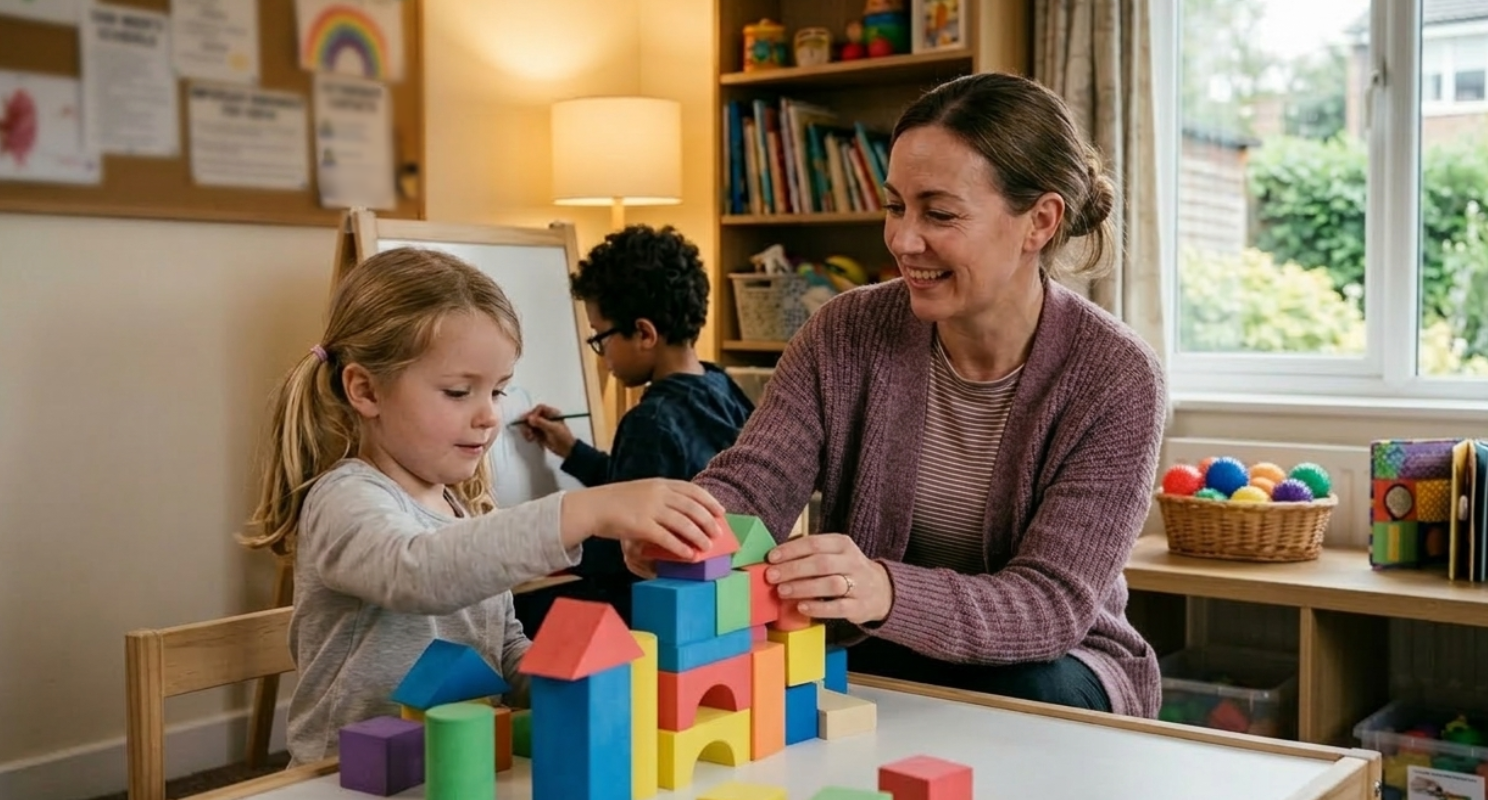
Children’s residential care plays a vital role in supporting young people who are unable to live with their families. Many children entering care have experienced disruption, trauma or instability earlier in life. Because of this, the environment around them must offer something many may not have had before: consistency, security and trusted relationships.
One of the most important ways residential homes provide this is through stable staffing and consistent relationships with residential childcare professionals. In a sector where maintaining consistent teams can be challenging, the impact of stability becomes even more significant.
The Importance of Stable Relationships in Residential Care
For children and young people living in residential homes, the relationships they build with staff are central to how safe and supported they feel. When the same support workers are present consistently, young people are more likely to develop trust and confidence in their environment.
Consistency allows children to:
-
Build trusting relationships with adults
-
Feel safer and more settled in their home environment
-
Develop emotional stability
-
Feel understood by those supporting them
Where there are frequent changes in staff, it becomes harder for young people to form meaningful connections. Inconsistent staffing can disrupt trust and make it more difficult for children to feel comfortable opening up.
Understanding the Impact of Past Experiences
Many young people in residential care have experienced loss, instability or disrupted attachments. Because of this, building trusting relationships with adults often takes time and consistency.
Stable staff teams allow children to gradually develop confidence in the people supporting them. Familiar staff members gain a deeper understanding of each young person’s needs, triggers, strengths and communication styles, enabling them to provide more personalised and effective care.
Consistency also means staff are more likely to notice subtle changes in behaviour or mood that may indicate a child needs additional support.
Supporting Emotional and Behavioural Development
Consistent staffing helps ensure that young people experience clear routines, boundaries and expectations. When teams communicate effectively and take a consistent approach to care, children benefit from a more predictable and structured environment.
This supports:
-
Behaviour management
-
Emotional regulation
-
Building confidence and independence
-
Developing healthy relationships with adults
A stable team is also better able to maintain routines that help children feel safe and supported in their daily lives - something that can quickly become unsettled when staffing is inconsistent.
The Role of Team Stability in Quality Residential Care
Children’s residential homes rely on strong, well-supported teams. When residential childcare professionals feel valued, supported and able to develop in their roles, they are more likely to remain in post and contribute to a positive care environment.
Stable teams enable:
-
Stronger collaboration between staff
-
Better communication and shared understanding
-
Continuity in care planning
-
A more settled and positive atmosphere within the home
In contrast, high staff turnover can place additional pressure on existing teams, increase reliance on temporary cover, and make it harder to maintain the consistency that young people rely on.
Creating an Environment Where Young People Can Thrive
Children’s residential care is about far more than providing accommodation. It is about creating an environment where young people feel safe, supported and able to grow.
Consistent staff play a key role in achieving this. Through patience, understanding and reliability, residential childcare professionals help build the trusting relationships that allow young people to develop confidence, resilience and a sense of belonging.
When stability is prioritised, residential homes are better placed to provide the structured, nurturing environment that young people need to move forward positively in their lives.
Why Recruitment Plays a Critical Role in Stability
While the importance of consistency in residential care is widely understood, achieving it in practice can be challenging.
Staff shortages, high turnover and the need for reliable cover can make it difficult for providers to maintain stable teams. In some cases, an over-reliance on short-term or agency staff can unintentionally disrupt routines, relationships and the sense of security young people depend on.
This is where the quality of recruitment becomes critical.
Working with a recruitment partner who understands the realities of children’s residential care can help providers:
-
Find professionals who are the right long-term fit
-
Reduce reliance on short-term or inconsistent staffing
-
Build teams that support continuity of care
Ultimately, stability doesn’t happen by chance. It is built through careful, consistent recruitment of the right people, creating teams that not only meet staffing needs, but actively contribute to better outcomes for young people.